


Acupuncture involves placing thin sterile needles into specific points (“acupoints”) located along energy channels or meridians in the body to produce a therapeutic response.
Acupuncture is a branch of Traditional Chinese Veterinary Medicine (TCVM). Although acupuncture was developed based on the observations of ancient practitioners, there has been a great deal of scientific research published that explains how it works.
Acupuncture for dogs and cats can be effective for pain relief, including through the release of beta endorphins. It also stimulates the immune system to help with disease prevention and treatment.
Veterinary acupuncture is used to treat:
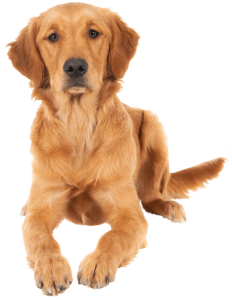

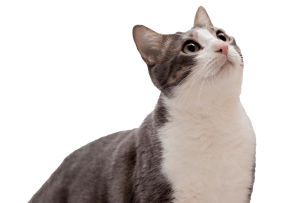
The five branches of Traditional Chinese Veterinary Medicine are: acupuncture, herbal medications, Tui-na (medical massage), food therapy and exercise. Traditional Chinese medicine differs from Western medicine in its approach to diagnosis: rather than focusing on a single complaint or condition (such as a lameness caused by a torn cruciate ligament), the TCVM practitioner will look at a more global picture of the animal to diagnose a “pattern” which is impairing energy flow in the body. Thus, we treat the outward complaint as well as the underlying cause. Many veterinarians who were trained in Western medicine but have pursued training in TCVM offer integrative medicine, drawing on both forms of diagnosis and treatment in order to achieve optimal results for their patients.

One of the five branches of Traditional Chinese Veterinary Medicine (TCVM), Tui-na is a form of healing massage that has been used in China for over 3,000 years. These specialized massage techniques may be used to complement other types of TCVM, such as acupuncture, or in some cases are the only treatment method used.
Tui-na is very effective in treating pain. It is also used to treat:
Most animals enjoy Tui-na, making it a good treatment option for animals who don’t tolerate acupuncture. One advantage of Tui-na is that pet owners can learn to do the techniques at home, increasing their effectiveness and strengthening the human-animal bond.

For small animals, the insertion of acupuncture needles is virtually painless. Occasionally they may experience an unpleasant sensation but this usually passes very quickly. There is no further discomfort once all of the needles have been placed, and most animals become very relaxed.
Acupuncture is one of the safest forms of medical treatment for animals when it is administered by a properly trained veterinarian.
The timing and degree of response to acupuncture varies with the animal and the condition being treated, however there should be a noticeable improvement in your pet within three treatments. Expect 6-8 acupuncture treatment visits for common ailments, while pets with chronic conditions (such as arthritis) may benefit from long term treatment with acupuncture.
Some pets and some conditions will not respond to acupuncture. If there is not a significant improvement after three treatments, we will discuss other options to help your pet. Pets that do not tolerate needles may come to gradually accept them over time, or we will suggest alternative forms of treatment.

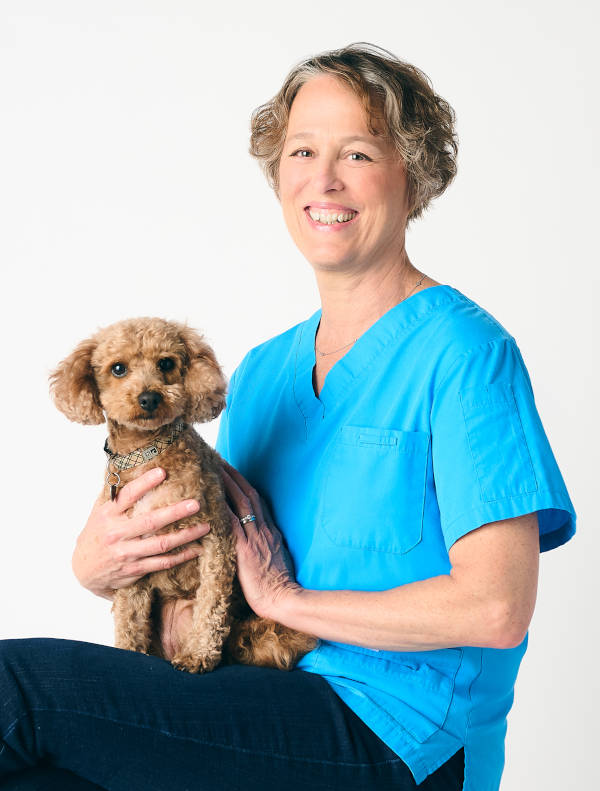
Dr. Jackie Pelot began her veterinary career in small animal general practice. Since completing internships in medicine, surgery and emergency medicine, she has worked in several emergency and referral hospitals. While exploring treatment options for her own pet, she found Traditional Chinese medicine and began studying acupuncture. She became a certified veterinary acupuncturist (CVA) in 2024, and a certified veterinary Tui-na practitioner (CVTP) in 2026.
Dr. Pelot currently offers acupuncture on Tuesdays and Thursdays by appointment at the Parkwood Animal Hospital in Nepean and at the Parkway Animal Hospital in Greely. For questions regarding acupuncture or to schedule an acupuncture appointment, please contact us by clicking the button below.