Acupuncture involves placing thin sterile needles into specific points (“acupoints”) located along energy channels or meridians in the body to produce a therapeutic response.
Acupuncture is a branch of Traditional Chinese Veterinary Medicine (TCVM). Although acupuncture was developed based on the observations of ancient practitioners, there has been a great deal of scientific research published that explains how it works.
Acupuncture for dogs and cats can be effective for pain relief, including through the release of beta endorphins. It also stimulates the immune system to help with disease prevention and treatment.
Veterinary acupuncture is used to treat:
musculoskeletal conditions including soft tissue injuries, arthritis, cruciate ligament injury
neurological conditions including intervertebral disc disease and seizures
skin problems such as allergies
gastrointestinal problems including diarrhea and decreased appetite
behavioural problems including anxiety and thunderstorm phobia
acute conditions including bladder infections and upper respiratory tract infections.
What is TCVM?
The five branches of Traditional Chinese Veterinary Medicine are: acupuncture, herbal medications, Tui-na (medical massage), food therapy and exercise. Traditional Chinese medicine differs from Western medicine in its approach to diagnosis: rather than focusing on a single complaint or condition (such as a lameness caused by a torn cruciate ligament), the TCVM practitioner will look at a more global picture of the animal to diagnose a “pattern” which is impairing energy flow in the body. Thus, we treat the outward complaint as well as the underlying cause. Many veterinarians who were trained in Western medicine but have pursued training in TCVM offer integrative medicine, drawing on both forms of diagnosis and treatment in order to achieve optimal results for their patients.
Is acupuncture painful? Is it safe for my pet?
For small animals, the insertion of acupuncture needles is virtually painless. Occasionally they may experience an unpleasant sensation but this usually passes very quickly. There is no further discomfort once all of the needles have been placed, and most animals become very relaxed.
Acupuncture is one of the safest forms of medical treatment for animals when it is administered by a properly trained veterinarian.
Side effects of acupuncture are rare, but they do exist. An animal’s condition may seem worse for up to 48 hours after a treatment. Other animals become lethargic or sleepy for 24 hours. These effects are an indication that some physiological changes are occurring, and they are most often followed by an improvement in the animal’s condition.
What should I expect from a veterinary acupuncture session?
The timing and degree of response to acupuncture varies with the animal and the condition being treated, however there should be a noticeable improvement in your pet within three treatments. Expect 6-8 acupuncture treatment visits for common ailments, while pets with chronic conditions (such as arthritis) may benefit from long term treatment with acupuncture.
Some pets and some conditions will not respond to acupuncture. If there is not a significant improvement after three treatments, we will discuss other options to help your pet. Pets that do not tolerate needles may come to gradually accept them over time, or we will suggest alternative forms of treatment.
Do not fast your pet before his or her appointment. To allow your pet to be as receptive as possible to acupuncture, they should be as relaxed as possible, and so please follow their regular routine for feeding and walking.
Western diagnostics (such as x-rays and bloodwork) or treatments are not included, so it is important that your pet has visited your regular veterinarian within the past two years.
Meet the doctor
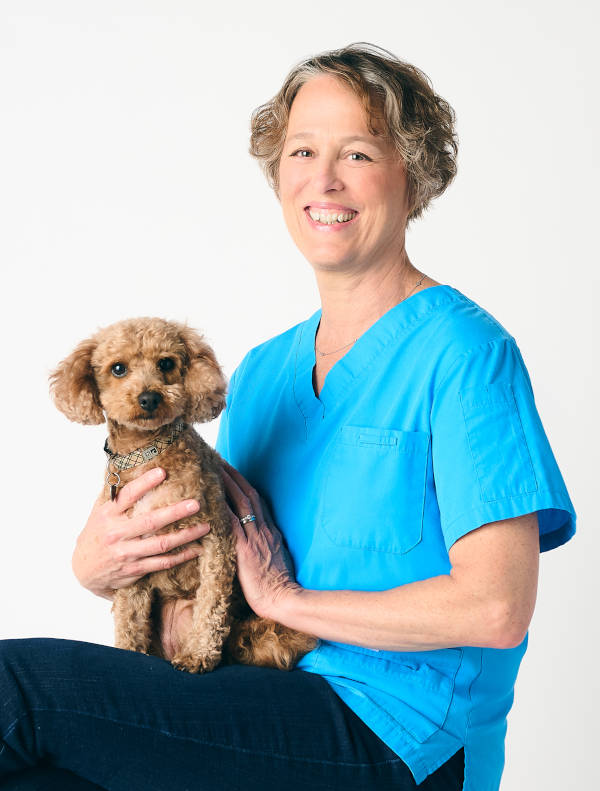
Dr. Jackie Pelot grew up with horses and planned to become a horse vet, but along the way her path diverged to small animal practice, first in general practice then, for over 20 years, in emergency care. Dr. Pelot then began studying Traditional Chinese Medicine and completed training to become a certified veterinary acupuncturist (CVA).
Dr. Pelot currently offers acupuncture by appointment at Parkwood Animal Hospital on Tuesdays and Thursdays. For questions regarding acupuncture or to schedule an acupuncture appointment, please contact us by clicking the button below.